
Burnout doesn’t usually arrive all at once. It builds quietly — through long workdays, caregiving responsibilities, academic pressure, chronic stress, or years of pushing past your limits.
Many people across Columbus describe waking up already exhausted, feeling numb instead of motivated, or struggling to care about things that once mattered. Some notice irritability, brain fog, or emotional shutdown. Others feel disconnected from relationships, routines, or even themselves before treatment. Others see it manifest as other mental health conditions like anxiety and depression.
At New Pathways Clinic, we help individuals explore what’s contributing to burnout-related distress in Columbus, OH, through careful evaluation and supportive, neuroscience-informed care — never rushed or dismissive.
We support individuals with burnout treatment in Columbus, OH, from Downtown Columbus, Short North, German Village, Clintonville, Grandview Heights, Upper Arlington, Bexley, Dublin, Hilliard, Westerville, and surrounding Central Ohio communities.
Burnout involves more than tiredness. It often includes emotional exhaustion, reduced motivation, detachment, and a sense that your nervous system is constantly running on empty. People experiencing burnout may notice:
Burnout is not a character flaw. It reflects a system under prolonged strain. Burnout treatment in Columbus focuses on understanding these patterns and identifying whether depression, anxiety, or nervous-system overload may also be playing a role.

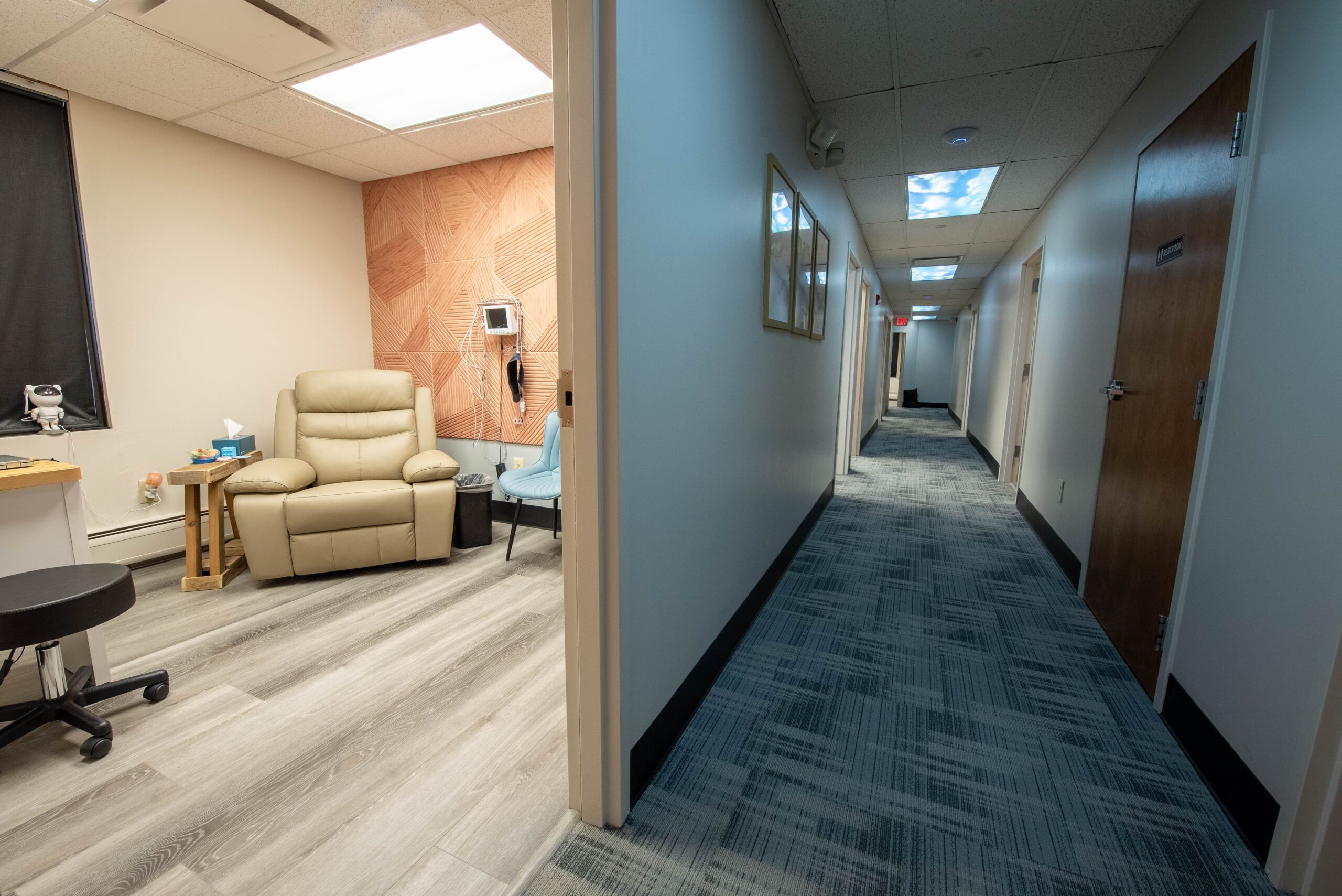
Burnout can show up differently from person to person, and may require burnout treatment in Columbus, OH, to relieve symptoms. Many people notice these changes creeping in gradually rather than appearing all at once, often after long periods of work pressure, caregiving, or emotional overload.
People near the Short North Arts District, Ohio State University, and the Scioto Mile often say burnout makes the city feel heavier — even when life around them is busy — and leaves them wondering how long they can keep pushing through without support.
Long-term stress can keep the nervous system in a heightened state of alertness, activating survival responses long after immediate threats have passed. Over time, this constant “on” position may contribute to emotional shutdown, depleted energy reserves, irritability, sleep disruption, and difficulty regulating mood, attention, or motivation.
For many people in Columbus, these patterns show up as burnout at work, withdrawal from social activities, or feeling mentally foggy while trying to keep up with daily responsibilities around neighborhoods like Clintonville, Bexley, or Downtown.
New Pathways Clinic’s burnout treatment in Columbus, OH, centers on carefully evaluating these patterns and supporting nervous-system regulation and emotional stability — not forcing quick fixes, overstating results, or making promises about outcomes.
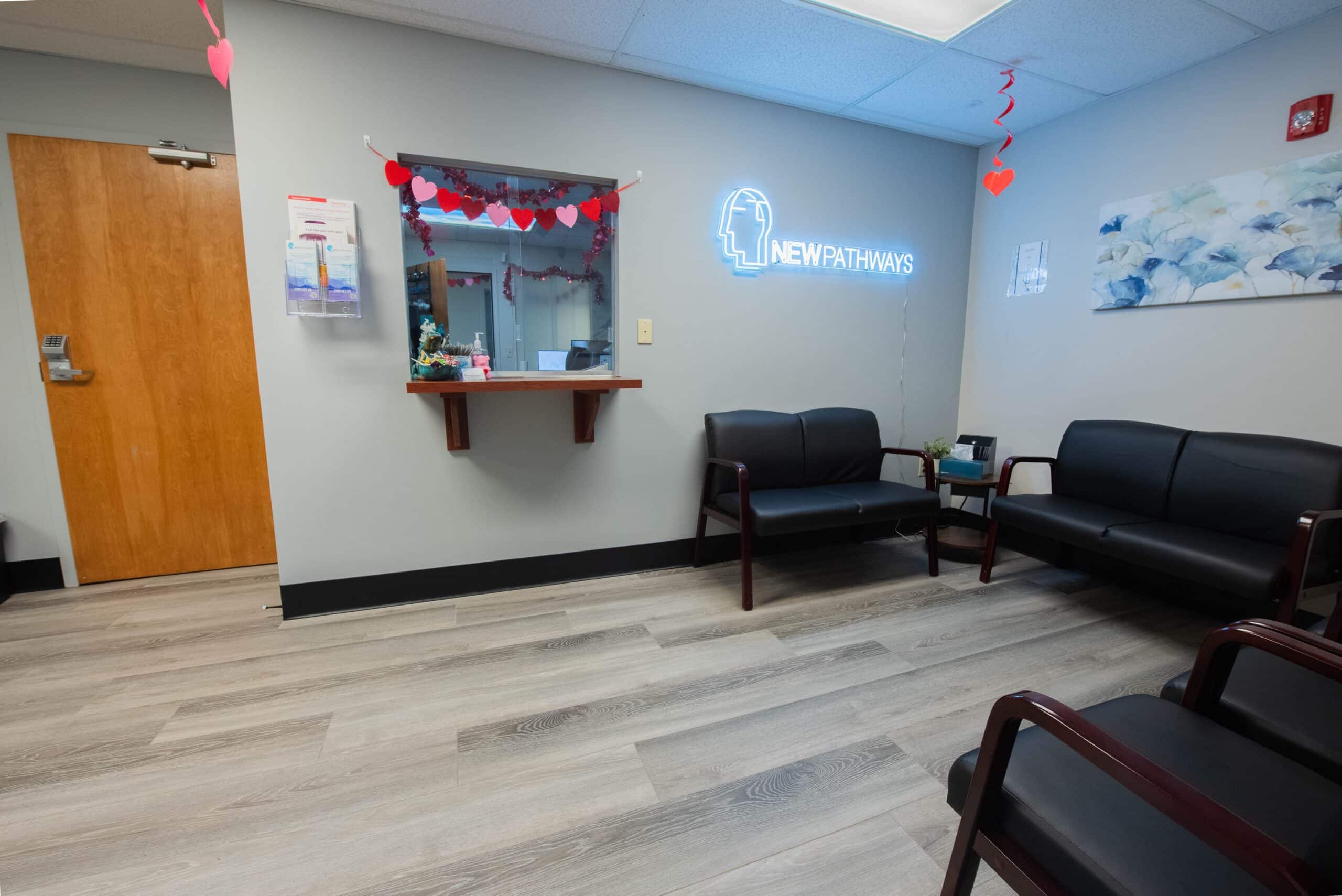
Your first visit to our clinic is designed to feel calm, private, and supportive, with time to discuss what you’ve been experiencing and what prompted you to seek burnout-related evaluations in Columbus, OH, whether you’re coming from Downtown, Dublin, or Clintonville. We’ll explore:
People from Bexley, Upper Arlington, and Westerville often say the first appointment feels relieving simply because their concerns are heard carefully, their experiences are taken seriously, and the conversation feels thoughtful rather than rushed.
Without support, prolonged burnout can spill into other areas of life, gradually reshaping how a person functions at work, in relationships, and in daily routines. What often begins as manageable exhaustion can turn into patterns that feel harder to reverse without professional guidance.
Many people seek burnout treatment in Columbus, OH, through burnout-related evaluations after years of trying to manage alone. If you ever experience thoughts of self-harm or suicide, call 988 or go to the nearest emergency department immediately.

1. SCHEDULE
AN EVALUATION
2. FILL OUT
OUR ONLINE FORM
3. EVALUATION
WITH OUR PROVIDER
4. MAKE
APPOINTMENTS
5. RECEIVE
TREATMENTS
6. MAINTAIN
TREATMENT PLAN
Burnout is not always a formal psychiatric diagnosis. At New Pathways Clinic in Columbus, we evaluate whether symptoms overlap with depression, anxiety, or nervous-system dysregulation.
At New Pathways Clinic, “burnout treatment” refers to a careful clinical evaluation of how chronic stress, exhaustion, or emotional shutdown may be affecting your mental health. Burnout itself is not always a formal psychiatric diagnosis, so our focus is on identifying whether symptoms overlap with conditions such as depression or anxiety and discussing appropriate next steps based on that assessment.
Any burnout treatment options in Columbus are considered only after reviewing your history, symptoms, and safety factors.
There is no fixed timeline. Support is individualized based on symptoms, mental health conditions, and goals.
New Pathways Clinic provides burnout-focused evaluations through our Dublin-area clinic, serving Downtown Columbus, Short North, German Village, Clintonville, Grandview Heights, Upper Arlington, Bexley, Hilliard, and Westerville.
At New Pathways Clinic, we provide advanced, science-supported treatment options for adults struggling with depression, anxiety, PTSD, bipolar disorder, trauma, OCD, burnout, chronic stress, and other persistent mental health conditions.
Our team works closely with each patient to better understand their symptoms, treatment history, and goals in order to help identify the most appropriate path forward.
Anxiety treatment involves persistent worry, fear, or panic that extends beyond typical stress responses and disrupts daily life.
We provide structured assessment and evidence-based treatment options designed to reduce symptom intensity and improve emotional regulation.
Bipolar disorder treatment is characterized by alternating mood states that may include depressive episodes and periods of elevated or irritable mood. Accurate diagnosis and ongoing monitoring are essential to ensure mood stabilization and long-term safety.
Depression treatment can affect mood, energy, motivation, and overall functioning, often interfering with work, relationships, and daily responsibilities.
Our evaluation process identifies the type and severity of depression to determine an individualized treatment plan.
Obsessive-Compulsive Disorder (OCD) involves intrusive thoughts and repetitive behaviors that can become time-consuming and distressing.
Treatment focuses on structured therapeutic approaches and, when appropriate, medication management to reduce symptom severity and improve daily functioning.
PTSD treatment and trauma-related conditions can develop after exposure to distressing or life-threatening events.
Treatment focuses on reducing intrusive symptoms, stabilizing mood, and improving functional recovery through individualized care planning.
Seasonal Affective Disorder (SAD) is a subtype of depression that follows a recurring seasonal pattern, often emerging during fall or winter months. Treatment may include light therapy, psychotherapy, medication management, and advanced options when seasonal episodes remain severe or treatment-resistant.
Suicidal ideation refers to thoughts of self-harm or death that may occur within the context of depression or other psychiatric conditions.
Our care does not include directly treating suicidal ideation, but rather addressing the underlying symptoms with a comprehensive evaluation, safety planning, and mental health services.
If prolonged stress and exhaustion have been shaping your life, a thoughtful evaluation can help clarify what’s happening and what options may fit