Since the early 2000s, clinicians and researchers have studied ketamine as a potential treatment option for a range of mental health conditions. Originally developed and widely used as an anesthetic, ketamine has gained increasing attention in psychiatric care for its role in treating conditions such as depression, bipolar disorder, PTSD, and anxiety disorders.
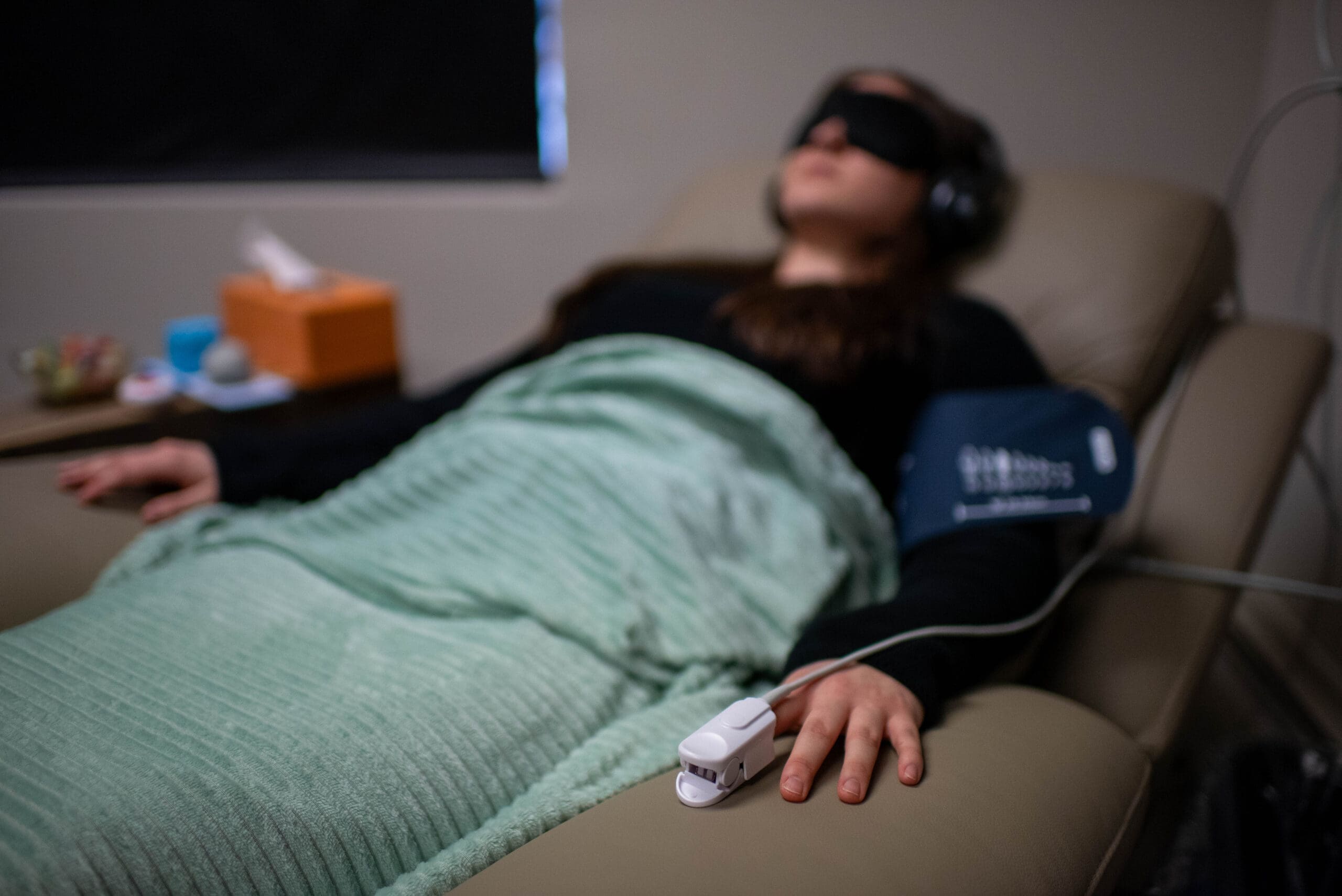
Compared to certain psychiatric medications and therapies that can take weeks or months to show full effects, ketamine provides more rapid symptom relief for some individuals with treatment-resistant conditions. At New Pathways Clinic, we provide ketamine therapy as part of a personalized, patient-centered approach to mental health care, using both infusions and Spravato nasal spray within our practice.
In treatment-resistant depression, ketamine has been shown in clinical studies to reduce symptoms in patients, with success rates up to 70%. Not only that, pooled meta-analyses of randomized controlled trials have found that ketamine can double the likelihood of clinical response and significantly increase remission rates compared to placebo.
To discover the overwhelmingly positive research on ketamine infusion therapy, visit our Ketamine Research page.
Rather than simply suppressing symptoms, research suggests that ketamine promotes changes in brain connectivity and synaptic function, which are thought to play a role in its antidepressant effects and lead to new neural pathways for extended mental health relief.
Some patients experience decreased symptoms after an initial series of treatments, while others benefit from ongoing maintenance sessions over time. The duration of symptom improvement can vary, with some individuals maintaining benefits for weeks to months following a treatment series and receiving periodic booster infusions as needed.
Ketamine’s effects on brain chemistry are complex and involve multiple neurobiological pathways. Rather than acting on a single neurotransmitter system, it primarily influences glutamate signaling and is associated with changes in synaptic connectivity and neural plasticity.
Because of this multi-system activity, ketamine has the ability to reduce a wide range of depressive and anxiety-related symptoms.

Depression

Suicidal Ideation

Anxiety

Intrusive Thoughts

Rumination

Low Energy Levels

Substance Cravings

Compulsions

Complex Regional Pain

Spinal Cord Pain

Migraines

Auto-Immune Inflamation Pain
With clinical studies showing significant improvement in depressive symptoms for many patients with treatment-resistant conditions, ketamine infusion therapy has emerged as a promising option for individuals who have not responded to traditional treatments.
Do medications feel like they only address surface-level symptoms?
Have you tried medications or therapy without experiencing meaningful or lasting relief?
Schedule a free phone consultation with our experienced team at New Pathways Clinic to learn whether ketamine treatment is right for your care.