
Childhood trauma doesn’t always show up as clear memories or dramatic flashbacks. For many people, it shows up quietly — in how relationships feel, how emotions are managed, how safe the world seems, or how hard it is to rest.
You may have grown up in an environment that felt unpredictable, emotionally unsafe, neglectful, or overwhelming. You might not label what happened as “trauma,” yet something inside still feels tense, guarded, or stuck. Many people in Columbus describe lifelong conditions of anxiety, people-pleasing, emotional shutdown, or self-criticism without fully understanding why.
At New Pathways Clinic, we help individuals explore childhood trauma treatment in Columbus, OH, with care that is steady, nonjudgmental, and focused on long-term healing rather than reliving the past.
Our Dublin-area clinic supports individuals from Downtown Columbus, Short North, German Village, Clintonville, Grandview Heights, Upper Arlington, Bexley, Dublin, Hilliard, Westerville, Worthington, Gahanna, Reynoldsburg, and surrounding Central Ohio communities.
Childhood trauma refers to early experiences that overwhelmed a child’s ability to feel safe, supported, or emotionally regulated. These experiences may include chronic emotional neglect, instability, exposure to conflict, inconsistent caregiving, or feeling unseen or unsafe over long periods of time.
Not everyone with childhood trauma develops PTSD. In fact, many people never meet diagnostic criteria — yet still carry the impact in their nervous system, emotional patterns, and relationships.
Childhood trauma is about how your system adapted early, not about a single event. Treatment with New Pathways Clinic focuses on understanding those adaptations with compassion and supporting new patterns of safety and regulation.

People who experienced childhood trauma often describe long-standing patterns rather than specific memories. Common experiences include:
Individuals from Clintonville, Bexley, and Upper Arlington often say, “I’ve felt this way for as long as I can remember,” even if they can’t point to a single traumatic event.
During childhood, the nervous system learns what to expect from the world. When safety, consistency, or emotional support are missing, the body adapts in order to survive.
These adaptations might include staying alert, shutting down emotionally, or prioritizing others’ needs to maintain connection. While these responses may have helped earlier in life, they can become limiting in adulthood.
Childhood trauma treatment in Columbus focuses on supporting nervous-system regulation, emotional flexibility, and a sense of internal safety — without blaming or forcing change.
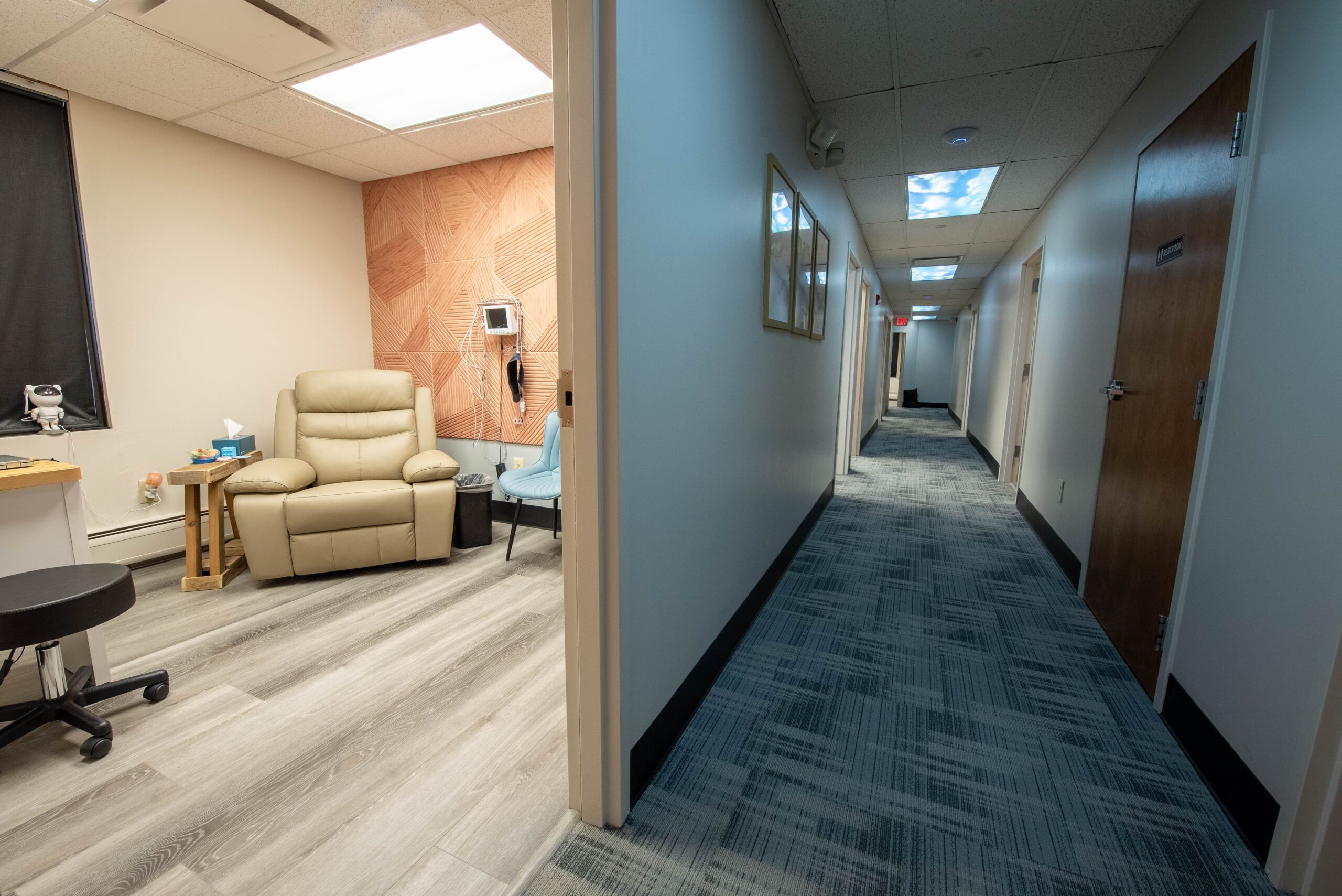
Your first visit is calm, supportive, and paced at your comfort level. You are not expected to relive painful memories or label your experiences as “trauma” if that doesn’t feel right. We’ll explore:
People from Dublin, Grandview Heights, and Upper Arlington often say the first visit feels validating simply because their experiences are taken seriously without pressure.
Without support, the effects of childhood trauma can quietly influence many areas of life:
Many people reach out for childhood trauma treatment near Columbus after years of trying to “push through” patterns that no longer feel manageable.
If you ever experience thoughts of self-harm or suicide, call 988 or go to the nearest emergency department immediately.

1. SCHEDULE
AN EVALUATION
2. FILL OUT
OUR ONLINE FORM
3. EVALUATION
WITH OUR PROVIDER
4. MAKE
APPOINTMENTS
5. RECEIVE
TREATMENTS
6. MAINTAIN
TREATMENT PLAN
No. Childhood trauma and PTSD are related but not the same. Childhood trauma refers to early experiences that shaped emotional development and nervous-system responses over time, while PTSD is a specific diagnosis involving current trauma symptoms.
Many people in Columbus have childhood trauma without meeting the criteria for PTSD. Individuals from Clintonville, Bexley, and Upper Arlington often describe lifelong patterns — such as difficulty trusting, emotional shutdown, or chronic anxiety — rather than re-experiencing events. Childhood trauma treatment near Dublin and the I-270 corridor focuses on long-term patterns and regulation, not diagnosing or treating PTSD symptoms.
Not remembering specific events is very common. Many individuals in Columbus experienced chronic emotional stress, neglect, instability, or lack of safety, rather than one clear incident. Trauma can shape the nervous system without forming clear memories.
People from Grandview Heights, Bexley, and Dublin often say they’ve “always felt this way” without knowing why. Childhood trauma treatment near Columbus does not require detailed recall. Instead, care focuses on present-day emotional patterns, stress responses, and relationship dynamics, helping you build stability and safety without forcing memory retrieval or reliving the past.
There is no fixed timeline for childhood trauma treatment. Some individuals from Columbus engage in shorter-term care focused on stabilization and insight, while others choose longer-term support to address deeply rooted patterns.
Progress is collaborative and reviewed over time based on your goals, energy levels, and life demands. Treatment near Dublin and Bridge Park is not rushed or standardized. Healing from early experiences often unfolds gradually, and support is adjusted as your needs change.
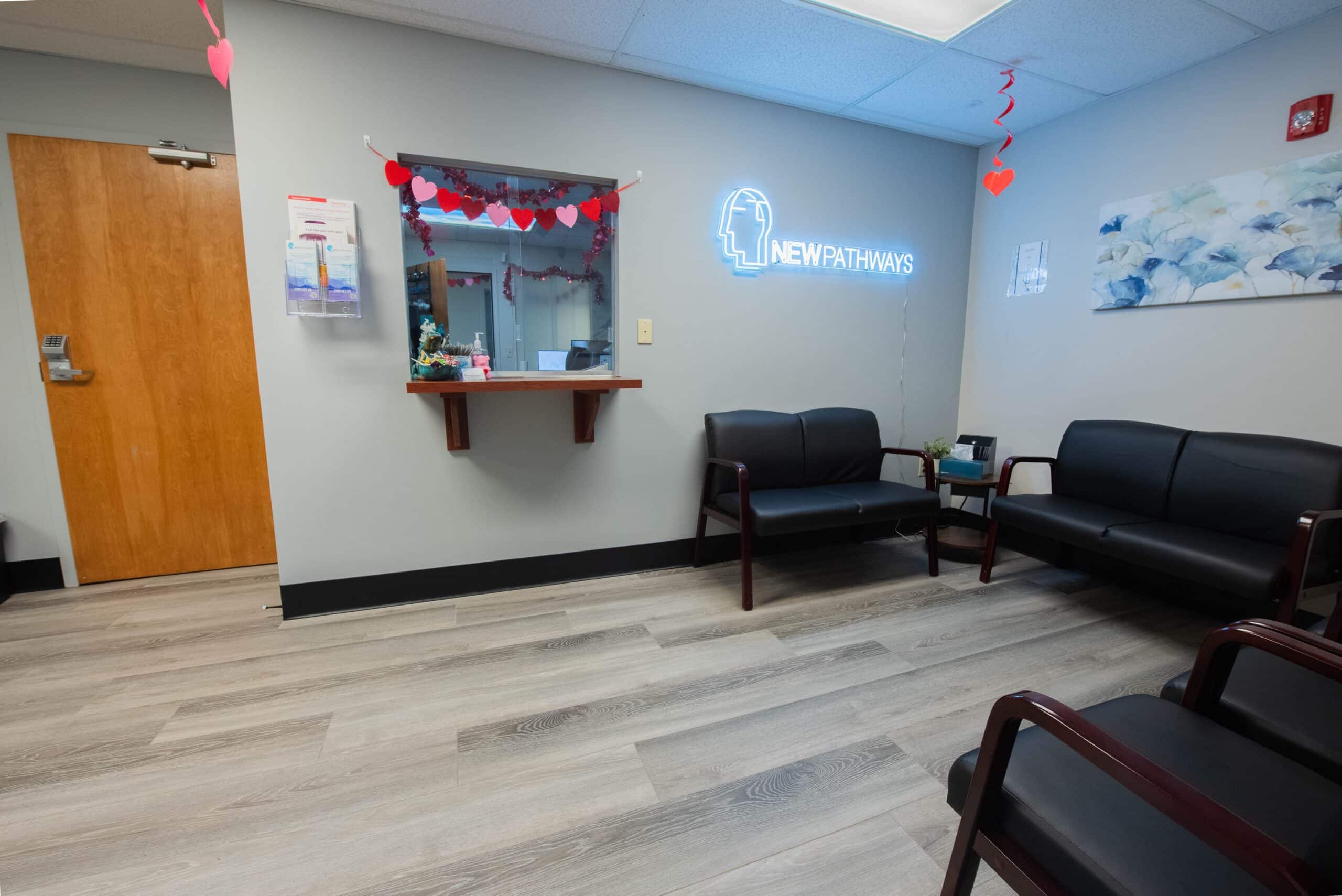
New Pathways Clinic offers childhood trauma treatment through modern, supportive care at our Dublin-area location, a short drive from Columbus. We’re located near I-270, US-33, and Bridge Park, serving individuals from Downtown Columbus, Clintonville, Bexley, Upper Arlington, and surrounding Central Ohio communities.
Many people appreciate the calm environment and respectful pacing, especially if they’ve felt dismissed elsewhere. If early experiences are still shaping how you feel today, support is available close to home.
At New Pathways Clinic, we provide advanced, science-supported treatment options for adults struggling with depression, anxiety, PTSD, bipolar disorder, trauma, OCD, burnout, chronic stress, and other persistent mental health conditions.
Our team works closely with each patient to better understand their symptoms, treatment history, and goals in order to help identify the most appropriate path forward.
Anxiety treatment involves persistent worry, fear, or panic that extends beyond typical stress responses and disrupts daily life.
We provide structured assessment and evidence-based treatment options designed to reduce symptom intensity and improve emotional regulation.
Bipolar disorder treatment is characterized by alternating mood states that may include depressive episodes and periods of elevated or irritable mood. Accurate diagnosis and ongoing monitoring are essential to ensure mood stabilization and long-term safety.
Depression treatment can affect mood, energy, motivation, and overall functioning, often interfering with work, relationships, and daily responsibilities.
Our evaluation process identifies the type and severity of depression to determine an individualized treatment plan.
Obsessive-Compulsive Disorder (OCD) involves intrusive thoughts and repetitive behaviors that can become time-consuming and distressing.
Treatment focuses on structured therapeutic approaches and, when appropriate, medication management to reduce symptom severity and improve daily functioning.
PTSD treatment and trauma-related conditions can develop after exposure to distressing or life-threatening events.
Treatment focuses on reducing intrusive symptoms, stabilizing mood, and improving functional recovery through individualized care planning.
Seasonal Affective Disorder (SAD) is a subtype of depression that follows a recurring seasonal pattern, often emerging during fall or winter months. Treatment may include light therapy, psychotherapy, medication management, and advanced options when seasonal episodes remain severe or treatment-resistant.
Suicidal ideation refers to thoughts of self-harm or death that may occur within the context of depression or other psychiatric conditions.
Our care does not include directly treating suicidal ideation, but rather addressing the underlying symptoms with a comprehensive evaluation, safety planning, and mental health services.
If early experiences are still shaping how you feel, relate, or cope today, support from our Columbus childhood trauma clinic is available. You don’t need to label your past with a permanent condition — you only need a space to feel safer moving forward.