
One of the most common questions patients ask after beginning ketamine therapy is: “Is there anything I can do to make the benefits last longer?”
While ketamine has shown remarkable promise for treatment-resistant depression, anxiety, and other mental health conditions, researchers continue to study how patients may be able to extend and build on its benefits.
One intriguing area of research involves brain training exercises designed to reinforce positive thought patterns during the period immediately following ketamine treatment.
Although this research is still evolving, early studies suggest that what you do after an infusion may play an important role in your recovery.
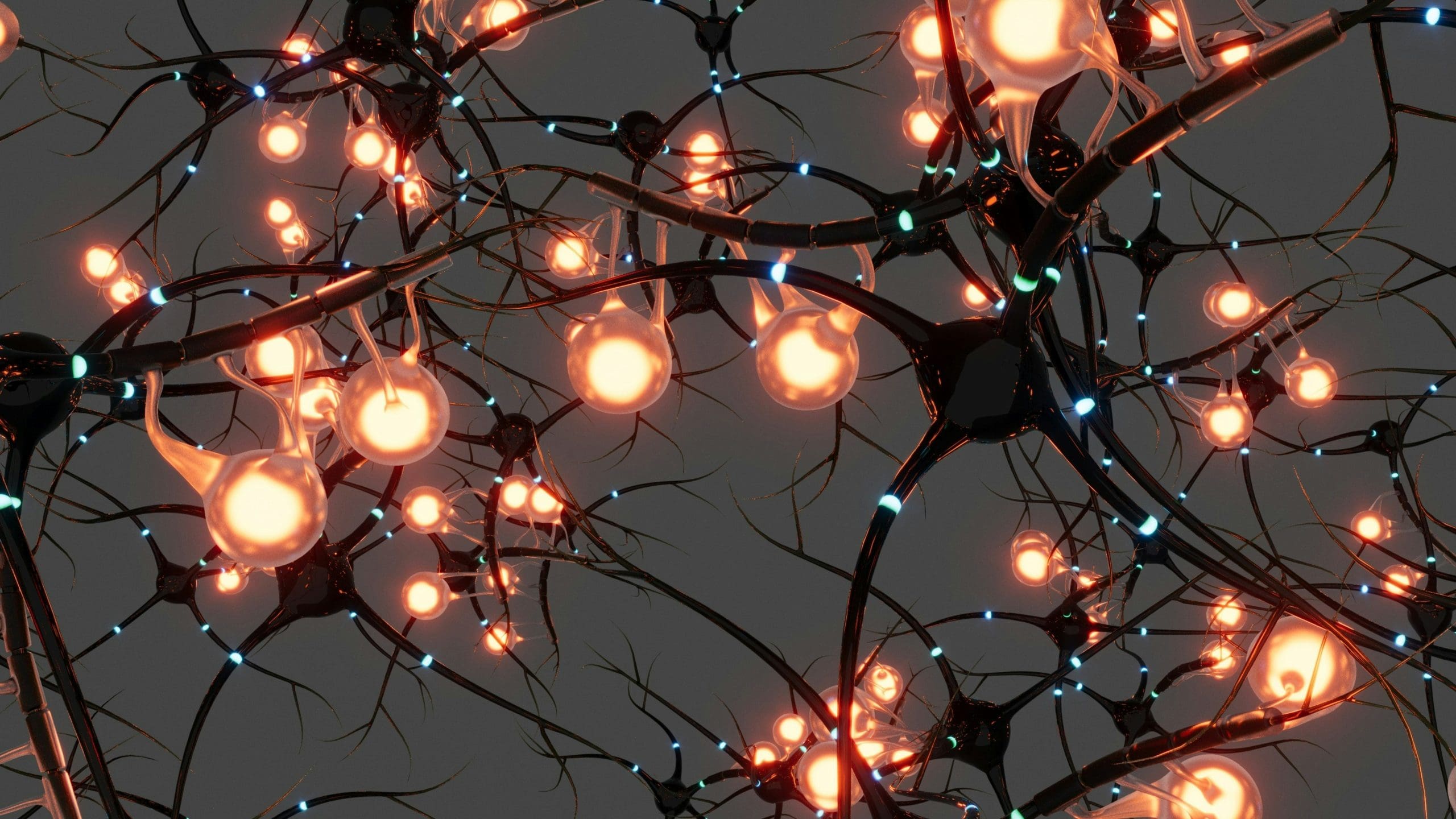
Ketamine is believed to temporarily increase the brain’s ability to form new neural connections, a process known as neuroplasticity.
During this period, the brain may become more adaptable and responsive to learning, emotional processing, and behavioral change. Researchers believe this “window of opportunity” may help explain why many providers encourage patients to combine ketamine therapy with counseling, healthy routines, mindfulness practices, or other supportive therapies.
The goal isn’t simply to feel better after ketamine treatment. It’s to help the brain build healthier patterns that continue long after the infusion ends.
A study published in the American Journal of Psychiatry explored whether targeted computer exercises could help extend ketamine’s antidepressant effects.
Researchers enrolled 154 adults with depression and asked participants to complete brief computer-based exercises for several days following their ketamine infusion.
Rather than serving as traditional video games, these activities were designed to strengthen positive self-associations by encouraging participants to repeatedly identify smiling faces, positive images, and affirming messages.
The results were encouraging. Participants who completed the exercises maintained improvements in depression symptoms longer than those who did not, with some experiencing benefits for up to three months after treatment.
While more research is needed, the study highlights an important idea: recovery may be influenced not only by the medication itself, but also by how the brain is engaged afterward.
Several developers have created online games inspired by this research, including the free collection available at ketamine.games. (Note that New Pathways Clinic has no affiliation with this website.)
These exercises focus on reinforcing positive emotional associations rather than entertainment. Examples include recognizing smiling faces, matching positive images, and completing simple attention-based activities.
It’s important to understand that these games are not a medical treatment and should not replace professional mental health care or your provider’s recommendations. Their effectiveness continues to be studied, and they should be viewed as one possible complement to—not a substitute for—ketamine therapy.
Brain training is only one piece of the puzzle. Many mental health professionals recommend using the period after a ketamine infusion to support overall recovery through healthy habits, such as:
These activities may help reinforce the progress you’re making during treatment while supporting long-term emotional wellness.
The research is promising, but it’s still early.
Scientists continue to investigate which activities best support neuroplasticity after ketamine treatment, how long this window lasts, and which patients benefit most.
If you’re interested in trying brain training exercises or other complementary approaches, discuss them with your treatment provider first. Your care team can help you determine whether they’re appropriate as part of your overall treatment plan.
At New Pathways Clinic, we believe ketamine therapy is most effective when it’s part of a comprehensive approach to mental health.
Our experienced medical team works closely with each patient to develop an individualized treatment plan while providing guidance on what to expect before, during, and after each infusion.
If you live in Toledo and are considering ketamine therapy for treatment-resistant depression or have questions about whether you’re a candidate for ketamine therapy, we’re here to help. New Pathways Clinic has ketamine staff across Ohio who look forward to helping you in your mental health journey.