
Anhedonia often develops quietly. People may notice that hobbies no longer bring enjoyment, relationships feel flat, music sounds muted, or accomplishments feel strangely empty.
Many people across the Cleveland area describe feeling emotionally blunted, detached from loved ones, or disconnected from daily routines. Some experience low motivation, fatigue, or mental fog. Others struggle to explain what condition they have — only that pleasure or excitement seems absent.
At New Pathways Clinic, we help individuals explore what may be contributing to anhedonia in Cleveland, OH, through careful evaluation and supportive, neuroscience-informed care — never rushed or dismissive.
We support individuals from the Central Business District, Ohio City, Detroit-Shoreway, University Circle, Hough, Old Brooklyn, Lakewood, Parma, Westlake, and surrounding Northeast communities.
Anhedonia refers to a reduced ability to experience pleasure or interest. It is a symptom rather than a diagnosis itself and commonly appears in conditions such as depression, trauma-related distress, chronic stress, or certain neurological disorders.
People experiencing anhedonia may notice:
Anhedonia is not a personal failing. It reflects changes in how the brain processes reward and emotion. Anhedonia treatment in Cleveland, OH, focuses on understanding underlying contributors and identifying whether depression, anxiety, or nervous-system dysregulation may also be involved.

At New Pathways Clinic, we offer advanced, science-supported treatment options for adults in Cleveland seeking to reconnect with joy, motivation, and emotional depth. If anhedonia has left you feeling numb, detached, or unable to experience pleasure—and traditional treatments haven’t brought your spark back—our team is here to help you explore innovative pathways tailored to your unique symptoms and goals.
Ketamine is widely used off-label in mental health care to help individuals struggling with severe anhedonia and profound emotional numbness.
Many patients describe IV Ketamine Therapy as helping to gently “unfreeze” the brain’s reward pathways—restoring a sense of emotional warmth, curiosity, and the ability to feel genuine interest and joy when traditional treatments haven’t worked.
Ketamine-Assisted Psychotherapy (KAP) pairs low-dose ketamine with clinical psychotherapy to help adults struggling with anhedonia and a loss of life’s pleasure.
By helping to temporarily lift emotional detachment, KAP in Cleveland allows patients to safely explore underlying causes of emotional flatness and reignite self-awareness.
Across Northeast communities, many people describe subtle but persistent shifts in how they experience daily life — moments that once felt meaningful now landing flat or distant.
Many individuals describe:
People traveling through University Circle, Hough, and Lakewood often say anhedonia makes life feel muted.
Prolonged stress, depression, trauma, or repeated emotional overload can gradually alter reward-processing circuits in the brain and disrupt how the nervous system regulates motivation, pleasure, and emotional responsiveness, even for people navigating busy daily routines across Cleveland neighborhoods like the Central Business District, Old Brooklyn, or Lakewood.
Over time, these changes may contribute to emotional blunting, fatigue, social withdrawal, mental fog, and difficulty experiencing satisfaction or connection in situations that once felt meaningful.
Anhedonia treatment in Cleveland, OH, centers on carefully evaluating these patterns and supporting balance and nervous-system regulation through individualized outpatient care — not promising quick fixes, overstating outcomes, or positioning any single option as universally effective.
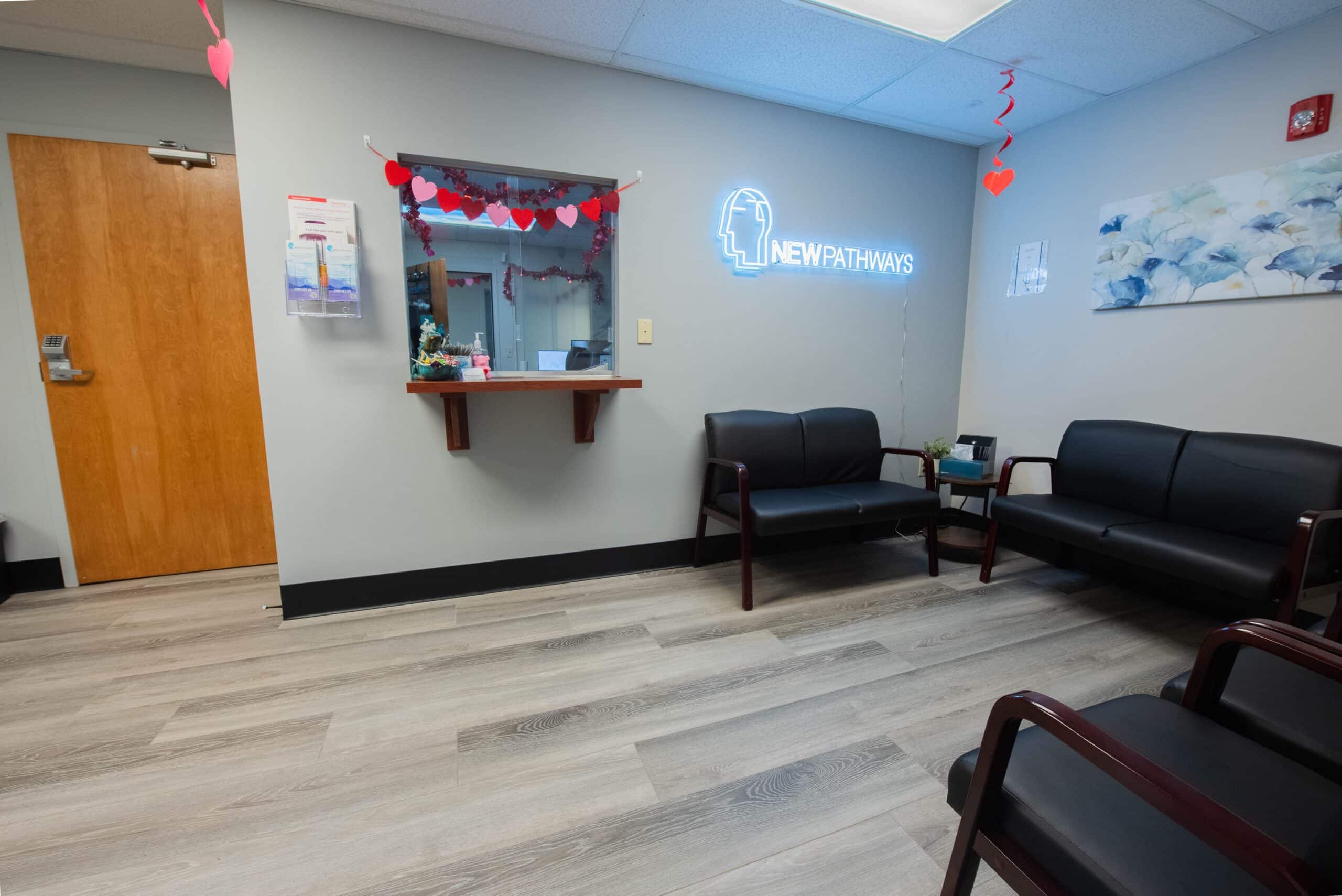
Your first visit is designed to feel calm, private, and supportive, giving you time to talk through how emotional numbness or loss of pleasure has been affecting daily life and what led you to seek anhedonia-focused evaluations in Cleveland, OH. We’ll explore:
People from Westlake, Lakewood, and Parma often say the first appointment feels relieving simply because their concerns are listened to carefully, their experiences are taken seriously, and the conversation feels thoughtful rather than rushed.
Over time, persistent emotional numbness can begin reshaping how a person functions at work, in relationships, and in everyday life.
Without support, anhedonia can expand into:
Many people seek anhedonia evaluations in Cleveland, OH, after months or years of feeling disconnected. If you ever experience thoughts of self-harm or suicide, call 988 or go to the nearest emergency department immediately.

1. SCHEDULE
AN EVALUATION
2. FILL OUT
OUR ONLINE FORM
3. EVALUATION
WITH OUR PROVIDER
4. MAKE
APPOINTMENTS
5. RECEIVE
TREATMENTS
6. MAINTAIN
TREATMENT PLAN
Anhedonia is a reduced ability to feel pleasure or interest for Cleveland residents. It is a symptom rather than a diagnosis and is commonly associated with depression or trauma-related distress.
At New Pathways Clinic, “anhedonia treatment” refers to a careful clinical evaluation of emotional numbness or loss of pleasure and how these symptoms may overlap with conditions such as depression or anxiety. Treatment options are discussed only after reviewing your history, symptoms, and safety factors.
There is no fixed timeline. Support is individualized based on severity and goals.
New Pathways Clinic provides anhedonia-focused evaluations through our Middleburg Heights and Willoughby clinics.
At New Pathways Clinic, we provide advanced, science-supported treatment options for adults struggling with depression, anxiety, PTSD, bipolar disorder, trauma, OCD, burnout, chronic stress, and other persistent mental health conditions.
Our team works closely with each patient to better understand their condition symptoms, treatment history, and goals in order to help identify the most appropriate path forward.
Anxiety treatment involves persistent worry, fear, or panic that extends beyond typical stress responses and disrupts daily life.
We provide structured assessment and evidence-based treatment options designed to reduce symptom intensity and improve emotional regulation.
Depression treatment can affect mood, energy, motivation, and overall functioning, often interfering with work, relationships, and daily responsibilities.
Our evaluation process identifies the type and severity of depression to determine an individualized treatment plan.
Obsessive-Compulsive Disorder (OCD) involves intrusive thoughts and repetitive behaviors that can become time-consuming and distressing.
Treatment focuses on structured therapeutic approaches and, when appropriate, medication management to reduce symptom severity and improve daily functioning.
PTSD treatment and trauma-related conditions can develop after exposure to distressing or life-threatening events.
Treatment focuses on reducing intrusive symptoms, stabilizing mood, and improving functional recovery through individualized care planning.
Seasonal Affective Disorder (SAD) is a subtype of depression that follows a recurring seasonal pattern, often emerging during fall or winter months. Treatment may include light therapy, psychotherapy, medication management, and advanced options when seasonal episodes remain severe or treatment-resistant.
Suicidal ideation refers to thoughts of self-harm or death that may occur within the context of depression or other psychiatric conditions.
Our care does not include directly treating suicidal ideation, but rather addressing the underlying symptoms with a comprehensive evaluation, safety planning, and mental health services.
If emotional numbness or loss of pleasure has been shaping your life, a thoughtful mental health evaluation can help clarify what’s happening and what condition options may fit.