
Seasonal affective disorder (SAD) can feel confusing, especially when you can tell something changes every year — but you can’t just “push through it.” Many people across Ohio notice symptoms building in late fall or early winter: heavier mornings, lower energy, more irritability, and a kind of emotional dimming that makes life feel harder than it should.
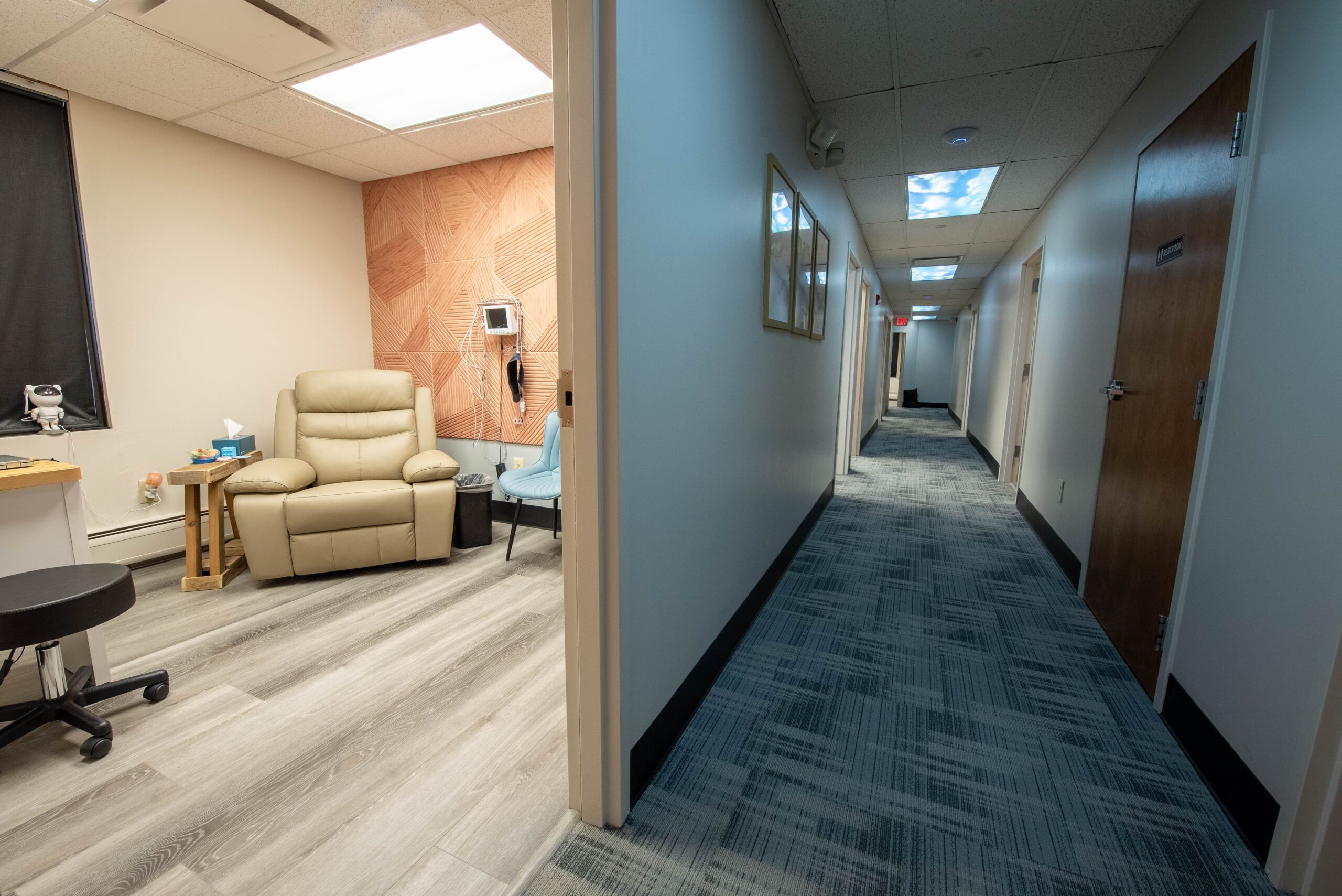
At New Pathways Clinic, we support people exploring modern, neuroscience-informed options for seasonal affective disorder treatment in Ohio, providing care in a setting designed to feel calm, private, and steady. Whether you are visiting our physical offices or seeking specialized care in the Buckeye State, our goal is to help you find steadier ground.
SAD is not laziness, weakness, or a lack of gratitude. It’s a real mental health condition in Ohio often tied to shifts in light exposure, sleep rhythms, and how the brain regulates mood. If you notice your symptoms return in a predictable cycle — especially if your motivation, sleep, and emotional resilience drop in the same months each year — specialized care can help.
Seasonal depression can show up differently from person to person and might be misdiagnosed as another mental health condition. Many individuals describe:
People frequently say the hardest part of dealing with seasonal depression is how quietly it creeps in — until suddenly, daily life feels like a grind.
SAD can be influenced by several overlapping factors, including:
You didn’t cause this. And you don’t have to “earn” support by feeling worse. Seeking seasonal affective disorder treatment in Ohio can be a way to care for your nervous system before symptoms deepen.
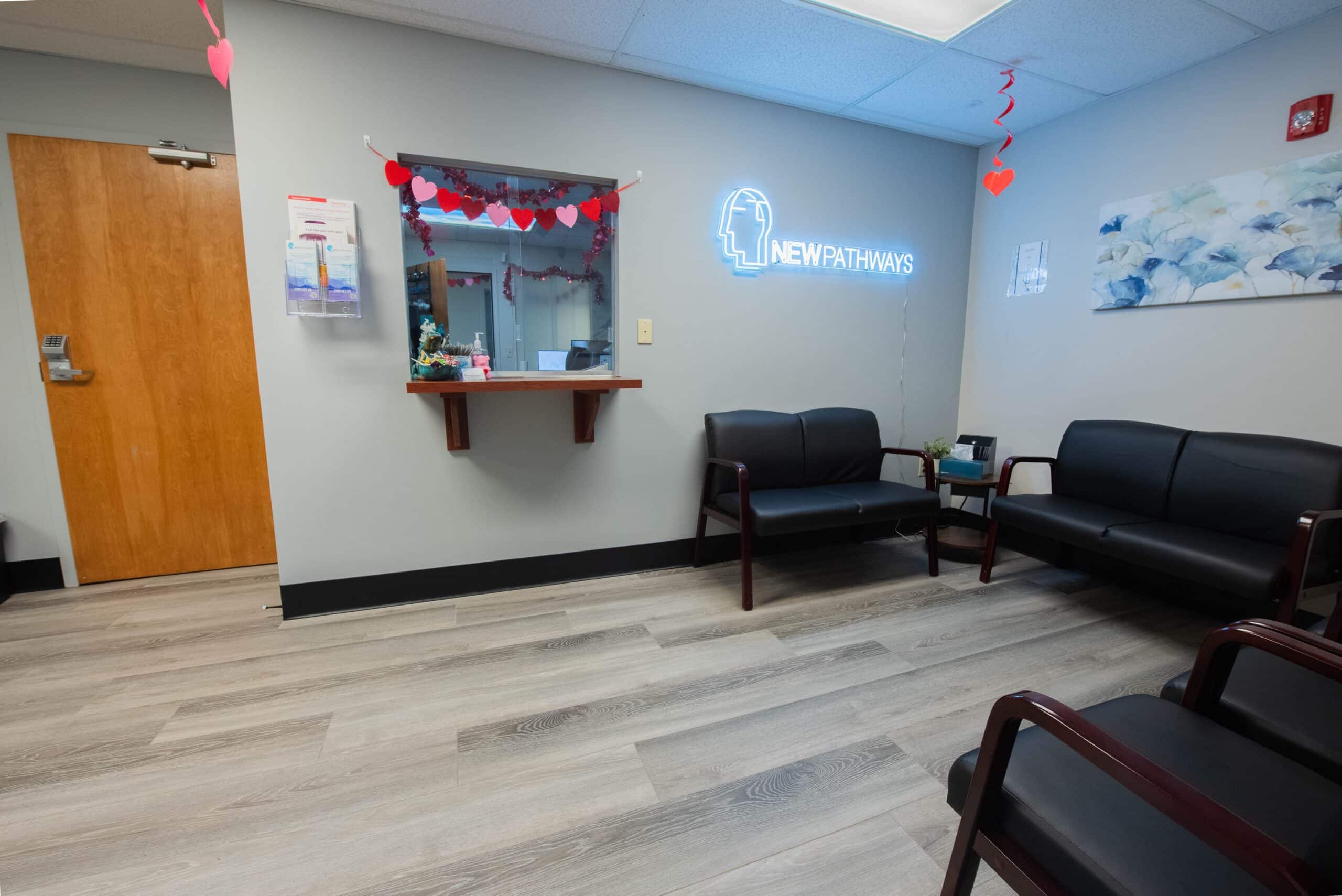
Your first visit is designed to feel steady and respectful — not rushed or overwhelming. Many people say the first appointment feels grounding simply because they’re finally describing a pattern that makes sense.
During your consultation, we’ll talk about:
Without support, seasonal depression can start affecting more areas of life:
Many people reach out for seasonal affective disorder support when they notice the pattern repeating — or when a winter dip starts lasting longer each year.
1. SCHEDULE
AN EVALUATION
2. FILL OUT
OUR ONLINE FORM
3. EVALUATION
WITH OUR PROVIDER
4. MAKE
APPOINTMENTS
5. RECEIVE
TREATMENTS
6. MAINTAIN
TREATMENT PLAN
Seasonal affective disorder (SAD) is a depressive pattern that follows a seasonal cycle — often worsening during darker months and easing in spring. While the “winter blues” may feel uncomfortable, SAD usually interferes with daily functioning, sleep, motivation, work performance, relationships, and hopefulness. If your mood shift feels persistent and disruptive, exploring seasonal affective disorder treatment in Ohio may help.
Your first visit is calm, paced, and focused on understanding your pattern. We’ll talk about when symptoms start, how they affect sleep and daily functioning, what you’ve tried before, and what you want to be different this season. From there, we’ll discuss whether our treatment options make sense to explore based on your schedule and support system.
At our New Pathways Clinic locations in Ohio, our focus is on modern treatment options that may support depressive symptoms — including seasonal depression. We can still talk about common seasonal depression strategies you may have heard of, but we won’t claim services we don’t provide. People often come to us after trying standard approaches and still feeling stuck.
At New Pathways Clinic, we provide compassionate care for adults struggling with depression, anxiety, PTSD, bipolar disorder, trauma, OCD, burnout, chronic stress, and other persistent mental health conditions.
Our team works closely with each patient to better understand their symptoms, treatment history, and goals in order to help identify the most appropriate path forward.
Anxiety Treatment
Anxiety treatment involves persistent worry, fear, or panic that extends beyond typical stress responses and disrupts daily life.
We provide structured assessment and evidence-based treatment options designed to reduce symptom intensity and improve emotional regulation.
Depression Treatment
Depression treatment can affect mood, energy, motivation, and overall functioning, often interfering with work, relationships, and daily responsibilities.
Our evaluation process identifies the type and severity of depression to determine an individualized treatment plan.
OCD Treatment
Obsessive-Compulsive Disorder (OCD) involves intrusive thoughts and repetitive behaviors that can become time-consuming and distressing.
Treatment focuses on structured therapeutic approaches and, when appropriate, medication management to reduce symptom severity and improve daily functioning.
PTSD Treatment
PTSD treatment and trauma-related conditions can develop after exposure to distressing or life-threatening events.
Treatment focuses on reducing intrusive symptoms, stabilizing mood, and improving functional recovery through individualized care planning.
Seasonal Affective Disorder Treatment
Seasonal Affective Disorder (SAD) is a subtype of depression that follows a recurring seasonal pattern, often emerging during fall or winter months. Treatment may include light therapy, psychotherapy, medication management, and advanced options when seasonal episodes remain severe or treatment-resistant.
Suicidal Ideation Treatment
Suicidal ideation refers to thoughts of self-harm or death that may occur within the context of depression or other psychiatric conditions.
Our care does not include directly treating suicidal ideation, but rather addressing the underlying symptoms with a comprehensive evaluation, safety planning, and mental health services.
If seasonal depression is starting to shape your days — or if you’re noticing the pattern returning again — you don’t have to wait until it becomes unbearable. A steady, supportive conversation can help you understand what’s happening and what seasonal affective disorder treatment options in Ohio may fit.
Our seasonal affective disorder staff in Cleveland, Cincinnati, Columbus, and Toledo look forward to seeing whether our treatments are best for your mental health journey.