
Living with obsessive-compulsive disorder can feel exhausting and isolating. You may know your fears don’t fully make sense — yet your mind keeps returning to them anyway. Thoughts repeat. Anxiety spikes. Rituals or mental checking take over, even when you wish they wouldn’t.
Many people in Columbus describe OCD as feeling “trapped inside their own head,” constantly trying to neutralize anxiety or prevent something bad from happening. These experiences are not a lack of willpower or self-control. OCD is a real mental health condition — and support is available.
Our Columbus clinic supports individuals from the Short North and German Village, Downtown and the Arena District, Clintonville and Linden, Victorian Village and Grandview Heights, and surrounding Central Ohio communities.
At New Pathways Clinic, we help individuals explore modern, neuroscience-informed OCD treatment options in Columbus, OH, in a setting designed to feel calm, respectful, and nonjudgmental.
Obsessive-compulsive disorder involves two core components:
OCD in Ohio is not simply about being “neat,” “organized,” or cautious. Obsessions can involve contamination fears, harm thoughts, intrusive sexual or religious thoughts, symmetry concerns, or intense doubt. Compulsions may include checking, cleaning, reassurance seeking, mental reviewing, or avoidance.
For many people in Columbus, OCD becomes most noticeable when daily routines revolve around managing anxiety and mental illness rather than living freely.

At New Pathways Clinic in Columbus, we offer two advanced, science-supported treatment approaches for adults seeking relief from intrusive thoughts, compulsive behaviors, and persistent OCD loops.
Whether unrelenting obsessions, mental rituals, or severe anxiety continue to dominate your daily life—and standard therapies or medications haven’t provided enough relief—our team helps you explore which personalized option best matches your symptoms, history, and goals for recovery.
Ketamine is FDA-approved as an anesthetic and used off-label in mental health care for individuals experiencing severe, persistent, or treatment-resistant obsessive-compulsive disorder (OCD).
Many patients describe IV Ketamine Therapy as helping break rigid cognitive patterns, quiet persistent intrusive thoughts, and interrupt compulsive loops, restoring a sense of mental flexibility and calm when standard treatments haven’t been enough.
Ketamine-Assisted Psychotherapy (KAP) combines low-dose ketamine with structured psychotherapy and integration support.
Some patients find KAP especially helpful for navigating stubborn OCD patterns by helping loosen the grip of intrusive thoughts, untangle deeply ingrained compulsive cycles, and create the mental space needed to engage more effectively in therapy and daily life.
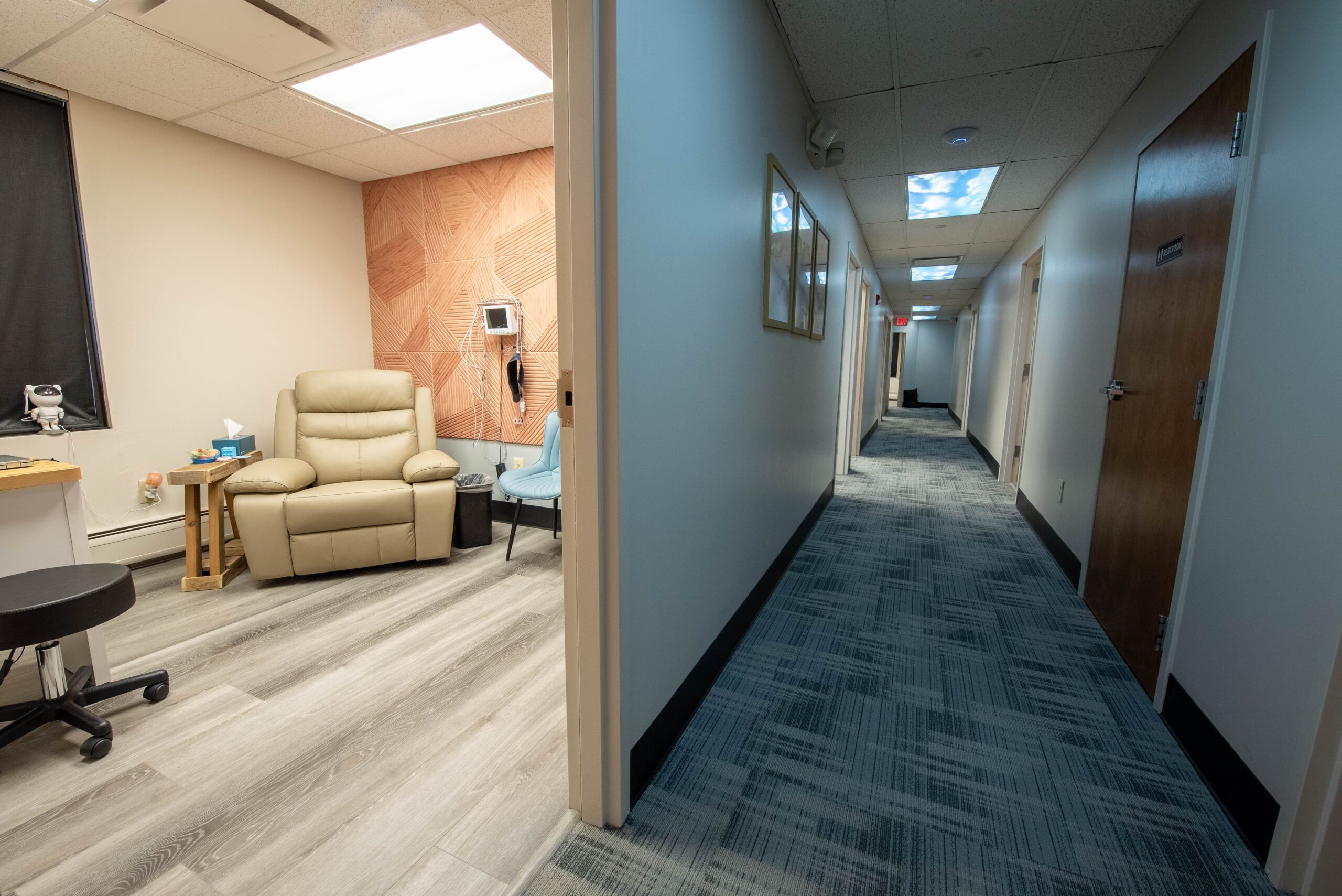
OCD can look very different from person to person. Many individuals, before receiving Columbus OCD treatment at New Pathways Clinic, describe experiences such as:
Difficulty trusting memory, judgment, or decisions
People from the Short North, Clintonville, and German Village often say the most distressing part is not the thoughts themselves — but how hard it feels to escape them.
Obsessive-compulsive disorder develops through a combination of factors, including:
OCD does not develop in Columbus because someone is weak, flawed, or “overthinking.” It reflects how the brain is attempting — unsuccessfully — to manage anxiety and uncertainty.
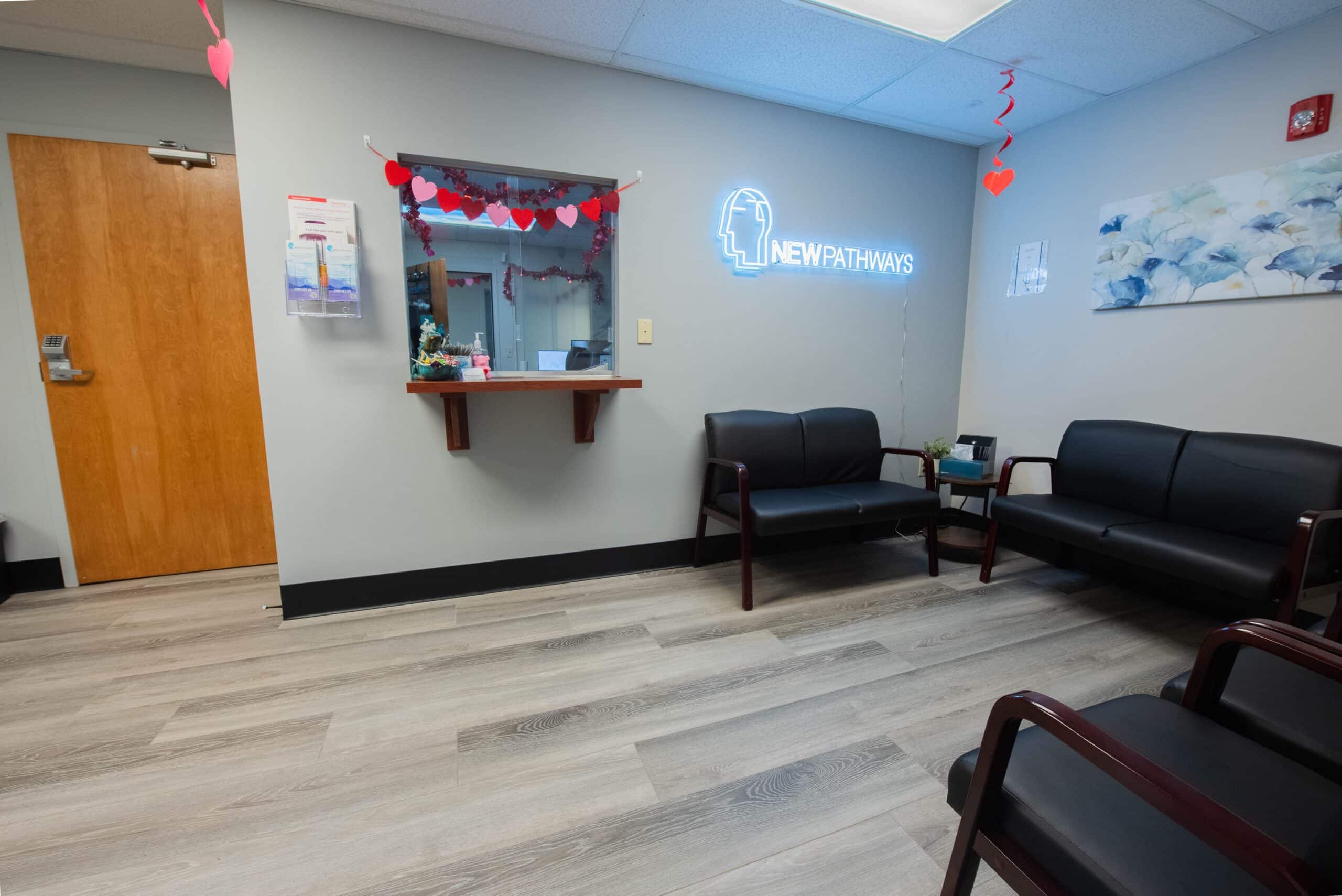
Your first visit is designed to feel calm, respectful, and paced gently. You won’t be pushed to disclose thoughts or fears before you’re ready.
During your Columbus OCD appointment, we’ll explore:
People from Downtown, Linden, and German Village often describe relief simply from naming their experience without fear of judgment.
Without support, OCD in Ohio can gradually take over more areas of life:
Many people reach out for OCD treatment in Columbus, OH, when symptoms begin interfering with relationships, productivity, or quality of life — or when anxiety feels impossible to manage alone.
If you ever experience thoughts of self-harm or suicide, call 988 for the Suicide & Crisis Lifeline or go to the nearest emergency department.

1. SCHEDULE
AN EVALUATION
2. FILL OUT
OUR ONLINE FORM
3. EVALUATION
WITH OUR PROVIDER
4. MAKE
APPOINTMENTS
5. RECEIVE
TREATMENTS
6. MAINTAIN
TREATMENT PLAN
OCD typically involves intrusive, unwanted thoughts paired with urges to neutralize anxiety through rituals or mental behaviors. While anxiety may involve worry, OCD often centers on certainty-seeking and fear reduction through repetition.
People from the Short North and Clintonville often notice they feel temporary relief after rituals, followed by anxiety returning again. If thoughts feel intrusive and you feel compelled to respond to them, OCD treatment in Columbus, OH, may help clarify what’s happening.
OCD treatment length varies depending on symptom severity, goals, and co-occurring conditions. Some individuals in Columbus benefit from structured short-term work, while others engage in longer-term work. Progress is collaborative and revisited over time.
Compulsions temporarily reduce anxiety, which teaches the brain that the behavior is “necessary.” Over time, this strengthens the OCD cycle. People working downtown near LeVeque Tower or navigating daily life around German Village often describe feeling relief followed by frustration when rituals return. Columbus OCD treatment helps interrupt this cycle gradually and safely, without forcing or shaming.
New Pathways Clinic offers OCD treatment through modern, supportive care at our premier location. Individuals from neighborhoods near the North Market, Nationwide Arena, or the Franklin Park Conservatory often appreciate our quiet environment and thoughtful pacing. If OCD has been limiting your life, support is available.
At New Pathways Clinic, we provide advanced, science-supported treatment options for adults struggling with depression, anxiety, PTSD, bipolar disorder, trauma, OCD, burnout, chronic stress, and other persistent mental health conditions.
Our team works closely with each patient to better understand their condition symptoms, treatment history, and goals in order to help identify the most appropriate path forward.
Anxiety treatment involves persistent worry, fear, or panic that extends beyond typical stress responses and disrupts daily life.
We provide structured assessment and evidence-based treatment options designed to reduce symptom intensity and improve emotional regulation.
Bipolar disorder treatment is characterized by alternating mood states that may include depressive episodes and periods of elevated or irritable mood. Accurate diagnosis and ongoing monitoring are essential to ensure mood stabilization and long-term safety.
Depression treatment can affect mood, energy, motivation, and overall functioning, often interfering with work, relationships, and daily responsibilities.
Our evaluation process identifies the type and severity of depression to determine an individualized treatment plan.
Obsessive-Compulsive Disorder (OCD) involves intrusive thoughts and repetitive behaviors that can become time-consuming and distressing.
Treatment focuses on structured therapeutic approaches and, when appropriate, medication management to reduce symptom severity and improve daily functioning.
PTSD treatment and trauma-related conditions can develop after exposure to distressing or life-threatening events.
Treatment focuses on reducing intrusive symptoms, stabilizing mood, and improving functional recovery through individualized care planning.
Seasonal Affective Disorder (SAD) is a subtype of depression that follows a recurring seasonal pattern, often emerging during fall or winter months. Treatment may include light therapy, psychotherapy, medication management, and advanced options when seasonal episodes remain severe or treatment-resistant.
Suicidal ideation refers to thoughts of self-harm or death that may occur within the context of depression or other psychiatric conditions.
Our care does not include directly treating suicidal ideation, but rather addressing the underlying symptoms with a comprehensive evaluation, safety planning, and mental health services.
Living with OCD can feel isolating, but you don’t have to manage it alone. A supportive conversation about your condition can help you understand your patterns and explore treatment options that feel safe and realistic.
Reach out to our OCD treatment staff in Columbus today so we can help you feel more like yourself.