Finding the right mental health care can be difficult, even when you know you need help.
You may have been struggling with depression or anxiety for months. Perhaps you’ve already tried medication or therapy without seeing the improvement you hoped for. Or maybe you’re looking for help for the first time and aren’t sure where to begin.
For people living in Toledo, Maumee, Perrysburg, Sylvania, and surrounding Northwest Ohio communities, these challenges reflect a broader concern that local health organizations have identified as a priority.
Lucas County’s 2024–2027 Community Health Improvement Plan names mental health and addiction as one of the county’s three priority health outcomes. The plan identifies depression, suicide prevention, and access to mental health services among the issues requiring attention.
For residents, the findings raise an important question: When you need mental health support, how do you find care that’s appropriate for your situation?
Understanding what the county has identified, what treatment options are available, and what to look for in a provider can make that process easier.
Every few years, local health organizations assess the health of Lucas County residents to better understand the challenges affecting the community.
The findings help guide public health programs, community partnerships, and decisions about where additional resources may be needed.
The county’s current Community Health Improvement Plan identifies three priority health outcomes:
It also identifies access to care as a priority factor, recognizing that improving community health requires addressing the obstacles people face when trying to obtain services.
Within its mental health priorities, the plan emphasizes reducing youth depression, preventing suicide, improving mental health education, and addressing gaps in available services.
These priorities reflect concerns documented in the county’s earlier 2022/2023 Community Health Assessment.
That assessment found that 4% of Lucas County adults reported seriously considering suicide in the previous year. It also reported that 15% of surveyed adults said they or someone in their household had been diagnosed with or treated for depression during that period.
These findings describe different measures and should not be interpreted as the percentage of all county residents living with depression. However, they help illustrate why local organizations have placed mental health among their leading priorities.
The larger message is that mental health concerns affect a substantial number of people in Northwest Ohio, and improving access to appropriate support remains an important community goal.
Knowing that help is available doesn’t always make it easy to find.
Mental health services cover a wide range of needs. Someone experiencing occasional anxiety may benefit from a different type of care than someone living with severe depression, recurring suicidal thoughts, or symptoms that haven’t improved after multiple treatments.
Even after identifying a potential provider, patients may encounter practical questions.
Does the clinic treat my condition? Is it accepting new patients? Does it take my insurance? How frequently will I need appointments? Will the treatment fit around my work and family responsibilities?
For someone already feeling exhausted or overwhelmed, sorting through these details can become another source of stress.
That’s one reason access to care involves more than having a clinic nearby. Patients also need clear information about services, appropriate clinical evaluation, realistic treatment expectations, and a plan for ongoing support.
Mental health care isn’t limited to one type of treatment or provider.
A primary care physician may be an appropriate starting point for someone experiencing new symptoms. Primary care providers can help assess possible contributing factors, discuss treatment options, and refer patients to specialized services when needed.
Psychotherapy offers another important form of support. Licensed mental health professionals can help patients address anxiety, depression, trauma, relationship challenges, and other concerns through structured therapeutic approaches.
Psychiatrists and other qualified prescribing clinicians may evaluate whether medication could be helpful, monitor treatment response, and adjust medications when appropriate.
Some patients need more intensive services, particularly when symptoms significantly affect their safety or ability to function. These may include intensive outpatient programs, partial hospitalization, or inpatient treatment.
Others have already tried conventional approaches and continue experiencing substantial symptoms. In those situations, a clinician may recommend reassessing the diagnosis, reviewing previous treatment, or considering additional options.
The appropriate starting point depends on your symptoms, history, and immediate needs.
Choosing a provider is a personal decision, but several practical considerations can help you evaluate your options.
A reputable clinic should take time to understand your symptoms, medical history, previous treatments, and goals before recommending a particular approach.
That evaluation may include questions about your physical health, medications, substance use, family history, and other factors that could influence treatment decisions.
If a provider recommends an advanced treatment without first establishing whether it is appropriate for you, that’s a reason to ask additional questions.
A good evaluation should help you understand why a treatment is being considered and what other options may be available.
Different mental health treatments require different levels of clinical training, supervision, and monitoring.
Before beginning care, ask who will evaluate you, who will provide treatment, and who will be responsible for monitoring your progress.
For treatments involving medication or medical procedures, it’s particularly important to understand how safety is managed and what happens if you experience side effects or complications.
You should feel comfortable asking about the qualifications and responsibilities of the people involved in your care.
Mental health treatment should account for the fact that people respond differently.
Two patients with depression may have different symptoms, medical histories, treatment experiences, and goals. A plan that works well for one person may not be appropriate for another.
Ask how the provider determines treatment recommendations and how progress will be evaluated.
It’s also worth discussing what happens if you don’t experience the expected improvement. A clinic should be able to explain how treatment decisions are reassessed and when another approach may be considered.
Mental health treatment can lead to meaningful improvement, but no responsible provider can guarantee a particular outcome.
Be cautious of promises that everyone will respond, that symptoms will disappear permanently, or that a single treatment will resolve every challenge.
A trustworthy clinic should explain potential benefits alongside limitations, side effects, and uncertainties.
You should leave a consultation with a clearer understanding of what treatment may offer and what remains uncertain.
Treatment doesn’t always end when an appointment or initial series is complete.
Depending on the condition and treatment approach, patients may need follow-up appointments, medication management, psychotherapy, or other support to maintain progress and address returning symptoms.
Ask how the clinic monitors patients over time and how it coordinates with other providers.
If you’re already working with a therapist, psychiatrist, or primary care physician, find out whether the clinic can communicate with those professionals when appropriate and with your consent.
Continuity of care is particularly important for people managing ongoing or complex mental health conditions.
Clinical qualifications are essential, but the logistics of receiving care matter, too.
For someone living in Northwest Ohio, a treatment plan may involve regular trips to Toledo, Maumee, or another nearby community. The distance may be manageable for an occasional appointment but more difficult if treatment requires multiple visits over several weeks.
Before committing to a clinic, consider the following questions:
These details can affect whether a treatment plan is practical and sustainable.
For example, patients receiving IV ketamine generally need transportation home after an infusion because the medication can temporarily affect coordination, judgment, and reaction time.
A clinic should explain these requirements before treatment begins so patients can plan accordingly.
For some patients, the challenge is finding a provider for the first time.
For others, it’s figuring out what to do when treatment hasn’t provided enough relief.
You may have taken antidepressants, attended therapy, made changes to your daily routine, and followed your provider’s recommendations while continuing to struggle with depression or other symptoms.
When that happens, it’s reasonable to revisit your treatment plan.
A clinician may review whether the diagnosis remains appropriate, whether medications have been tried at adequate doses and durations, and whether another therapeutic approach could be beneficial.
For some patients with treatment-resistant depression, newer treatment options may also be considered.
These include ketamine-based treatments, which differ from conventional antidepressants in how they act on certain brain signaling systems.
IV ketamine is used off-label for depression and requires appropriate medical evaluation and monitoring. Spravato, a prescription nasal spray containing esketamine, has specific FDA-approved indications and must be administered under medical supervision.
Neither treatment is appropriate for everyone, and eligibility depends on the patient’s diagnosis, medical history, previous treatment response, and other clinical considerations.
The important step is discussing persistent symptoms with a qualified provider who can help determine whether a different treatment approach makes sense.
As Lucas County continues working to improve mental health outcomes and access to care, additional treatment providers can contribute to the range of services available to local residents.
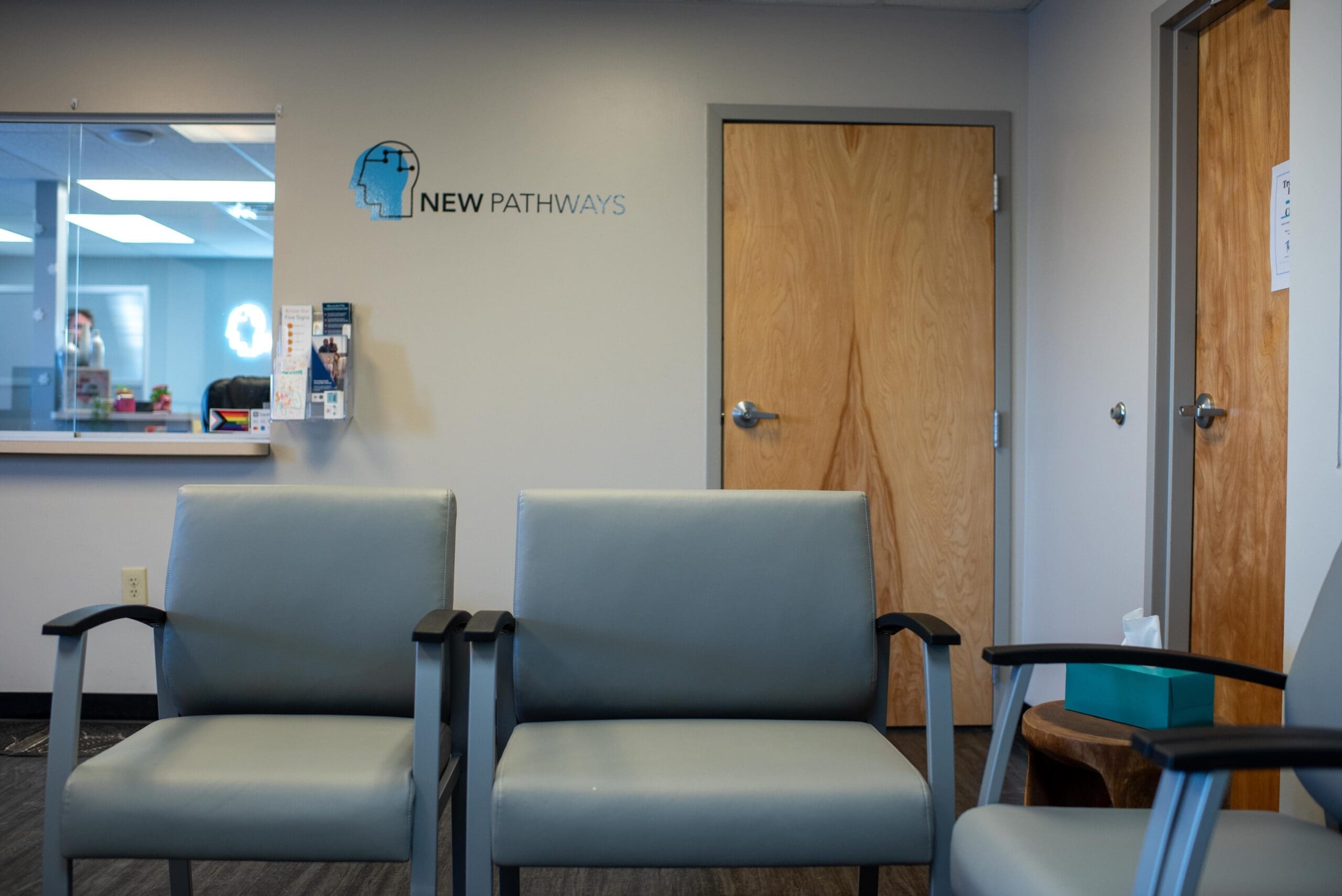
New Pathways Clinic expanded into Northwest Ohio in October 2026 with the opening of its Maumee location, serving patients from Toledo, Perrysburg, Sylvania, and surrounding communities.
The clinic offers individualized mental health treatment options, including ketamine-based care for eligible patients experiencing depression and other qualifying conditions.
For patients who haven’t found sufficient improvement through previous treatment approaches, the clinic provides an opportunity to discuss their history, ask questions, and determine whether additional treatment may be appropriate.
New Pathways is one part of a broader mental health care network that includes primary care providers, therapists, psychiatrists, hospitals, and community-based organizations.
Patients benefit when they can access the level of care that fits their needs and when providers work together to support ongoing progress.
If you’re looking for mental health care in Northwest Ohio, you don’t need to have every answer before reaching out.
Start by identifying the symptoms or challenges that are affecting your life. Consider whether you’re looking for an initial evaluation, ongoing counseling, medication management, or a second opinion about treatment that hasn’t been effective.
A primary care provider or existing mental health professional can help you evaluate appropriate next steps.
You can also explore community resources through the Mental Health & Recovery Services Board of Lucas County, which supports local behavioral health services and connections to care.
If you’re experiencing a mental health crisis or thoughts of suicide, call or text 988 for immediate crisis support. If there is an immediate danger to yourself or someone else, call 911.
For patients interested in learning about ketamine-based treatment, New Pathways Clinic’s Maumee location can help determine whether a consultation and clinical evaluation may be appropriate.
Lucas County’s health improvement plan makes clear that mental health is an important concern for the Northwest Ohio community.
But for someone living with depression, anxiety, or another mental health challenge, the most immediate concern is often much more personal: finding a provider who understands what they’re experiencing and can help them identify a reasonable path forward.
That begins with asking questions, understanding your options, and choosing care that reflects your needs.
Whether you’re seeking help for the first time or considering a different approach after previous treatment, the goal is the same: finding appropriate support that gives you a meaningful opportunity to improve your mental health and everyday life.